Data centers continue to be a controversial land use, with data center regulation bills introduced in at least 30 states in 2026. At the local level, some communities are passing local land use regulations and moratoria. Creating the local land use framework to regulate data centers has become a high priority for municipalities as data center growth continues.
We previously wrote about the potential to use the waste heat from data centers for district heating. In practice, we’re working communities to create three pathways for data center land use control. The first pathway is the definition of the types of accessory uses that are specifically not regulated as data centers. Second is the definition of what the community considers to be a beneficial data center and how that is regulated. Third is a definition of higher impact data centers and how that is handled.
Starting with the first definition, communities should define an “accessory data room.” This use describes what is also known as a “server room.” Nearly every place with an office – businesses, schools, universities, hospitals, banks, even city hall – have a place where servers, data storage and network equipment, backup power, and other related equipment are stored. Accessory data rooms are used solely in conjunction with and incidental to the principal use on the same lot. These can be restricted by size or electrical load, but municipalities should be mindful that large institutions like hospitals or universities may have accessory data rooms that are significant in size and crucial to operations.
Municipalities can define data centers in zoning and regulate them by district, or prohibit them in all districts while still permitting service space as an Accessory Data Room. Definitions should clearly state that the primary use of a data center is the commercial housing, operation, or support of high-performance servers, storage systems, and related computing infrastructure, and that such facilities may also include air handlers, power generators, water cooling, utility substations, and other associated utility infrastructure. A definition should also clarify that a data center is not an office, a warehouse, a manufacturing use, or a public utility to prevent loopholes such as stringing together several accessory data rooms to create a de facto data center.
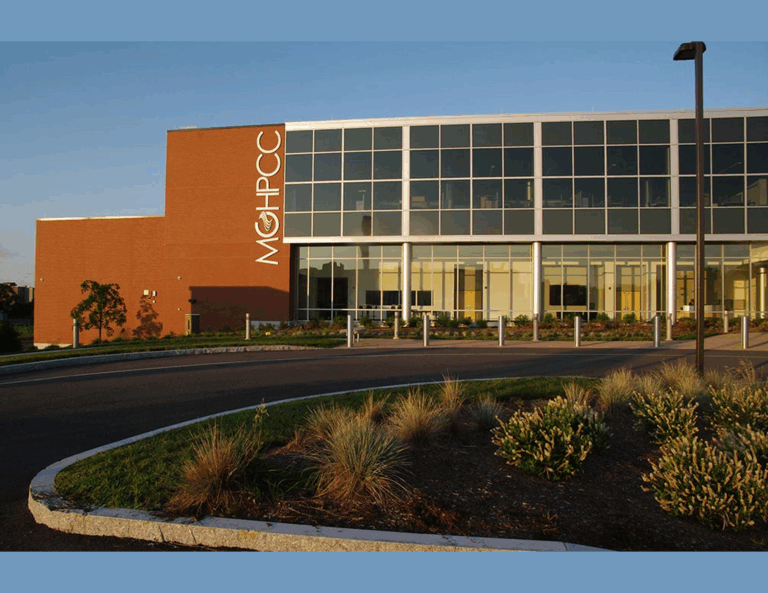
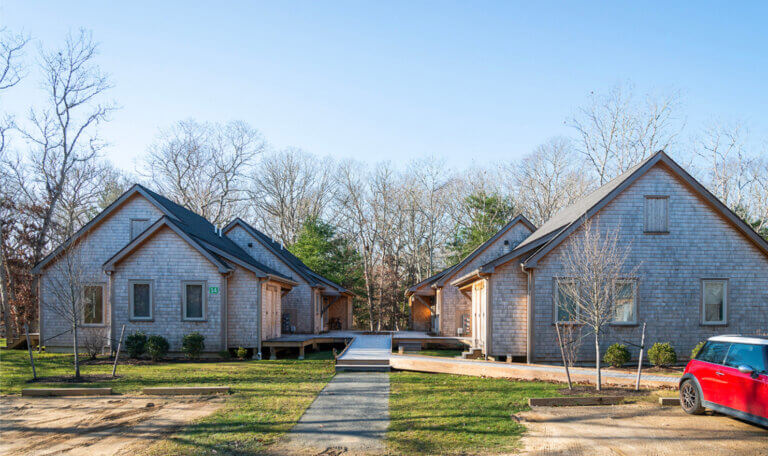
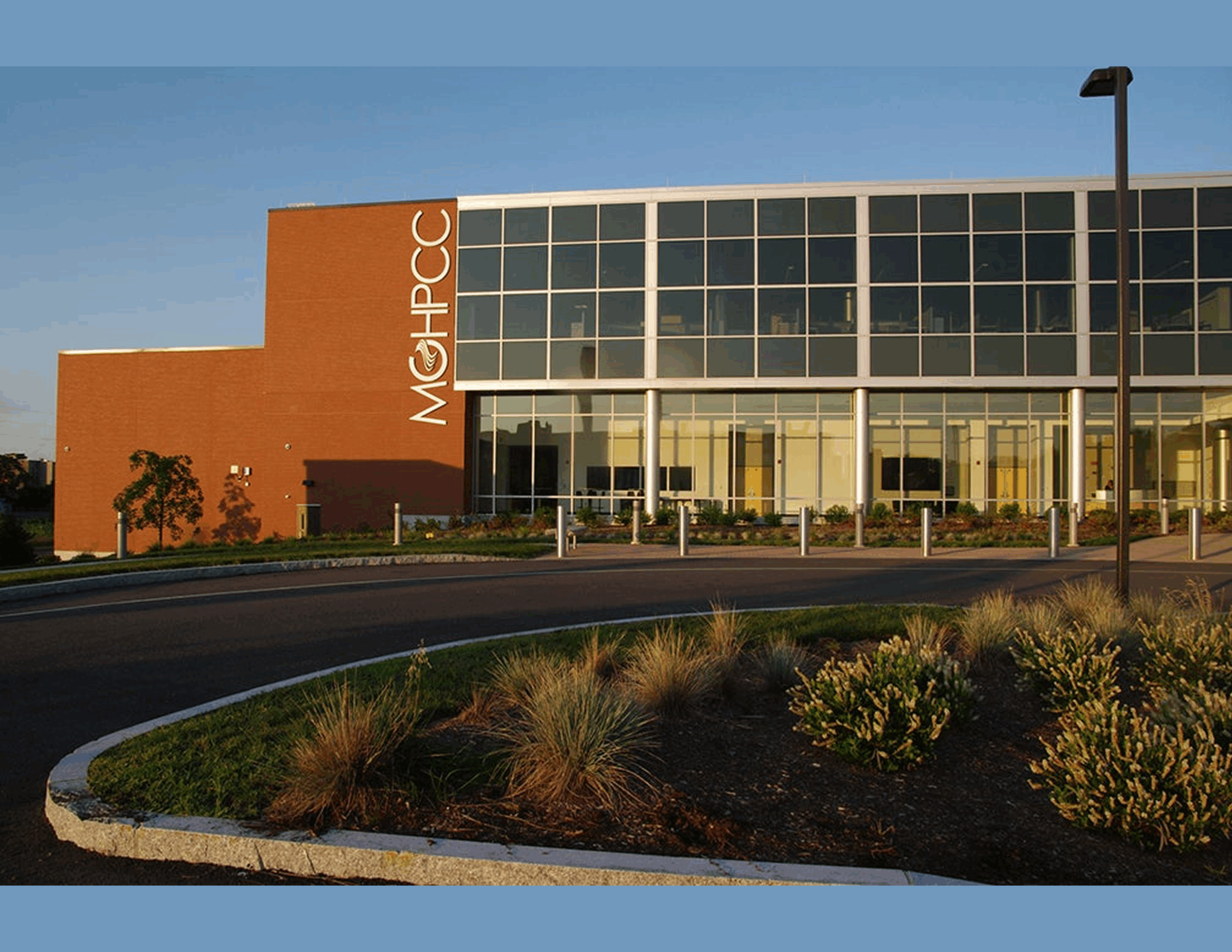
Now, the next two definitions look at data centers as a principal land use. Not all data centers are the same, and municipalities may consider allowing lower-impact data centers that use renewable energy. The Massachusetts Green High Performance Computing Center (MGHPCC) in Holyoke is an example of how a data center can function with minimal impact. The facility is 90,000 square feet and 12 MW provided by 100% carbon-free electricity, with flywheel and partial diesel backup. It opened in 2012 and has had no noise complaints. It is located in an industrial district, far from residential property, and has an open, welcoming facade.
A community can adopt zoning that defines a “green computing center” that must adhere to strict standards, similar to the MGHPCC, including a MW maximum, limits on water usage, prohibiting potable water for cooling, and disallowing fossil generation as a source of power. A combustion-fueled backup generator may be sized to meet life safety needs only. A green computing center can be allowed in appropriate industrial districts and subject to a special permit (in Massachusetts) or similar. The exact deciding line between what is a green computing center and what is a more strictly controlled general data center is flexible and can be tailored to meet the community’s goals. Adjustments can include the size in electricity load, water consumption, noise impact, fossil-fuel use, etc.
With data center construction in high demand, some communities have allowed data center construction in exchange for community benefits agreements (CBAs.) Across the country, these have included local investments and direct funds ranging from $15 million to over $100 million. Many of these agreements have been criticized, especially as most did not include a public negotiation process and some developers have even had municipal and agency staff sign non-disclosure agreements.
Still, some communities may have industrial sites that are appropriate for certain types of data center construction, with limits to peak demand, energy sources, water usage, and fossil generation. Communities that allow data center construction may be able to negotiate a CBA that results in significant local investment. For example, a 2026 agreement for the Armory Innovation Data Center in St. Louis will result in a payment of about $15,750,000 to the city.
Get in touch with [email protected] to learn more about the language we’re using to address this growing land use category.